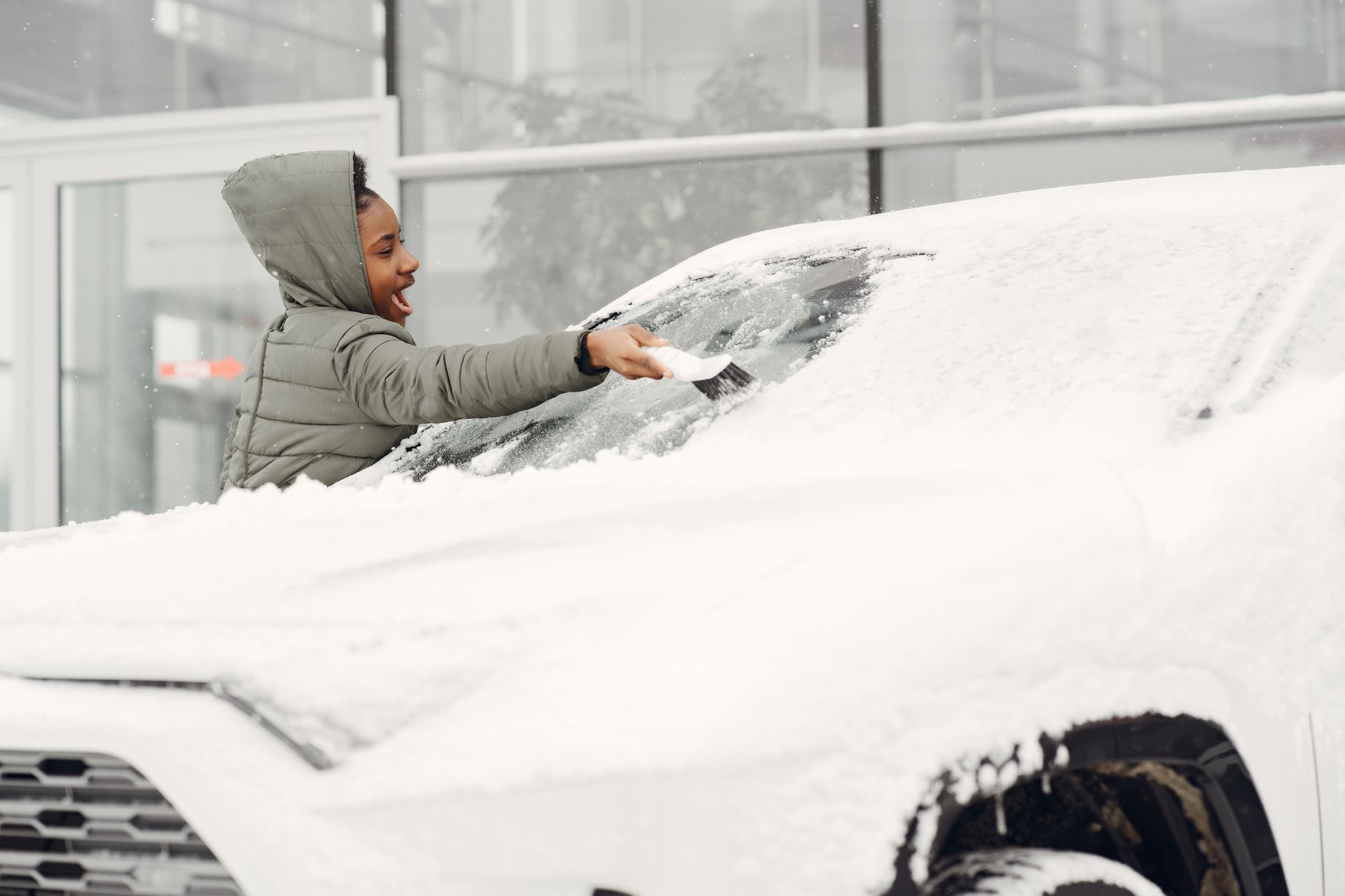
New England winter driving can bring freezing temperatures, snow, slush, and roads treated with salt. A few checks before the first cold snap can help your car start reliably and give you better visibility and control. Set aside time to inspect your tires, battery, fluids, wipers, and heating system. If something looks worn or you are unsure what your vehicle needs, have it checked before winter conditions make a small problem harder to manage.
Check Tires and Pressure
Inspect each tire for uneven wear, cracks, bulges, or damage, and check tread depth. Worn tread has less ability to grip wet or snowy pavement. If you use all-season tires, confirm they are in good condition; if you use winter tires, arrange installation before snow and ice become routine. Follow your vehicle manual for the correct tire size and recommendations.
Cold air lowers tire pressure, so check it when the tires are cold and compare the reading with the pressure listed on the driver-side door label or in the manual. Do not use the maximum pressure printed on the tire sidewall as your target. Check the spare, too, if your vehicle has one, and recheck pressure as temperatures change.
Test the Battery
Cold weather makes it harder for a battery to deliver power, so a weak battery may fail just when you need the car most. Look for corrosion around the terminals, a loose connection, or a swollen case. If the engine cranks slowly, the headlights dim when starting, or the battery is several years old, have its condition tested before winter.
Keep battery terminals clean and secure, but avoid touching them with metal tools in a way that could bridge the terminals. If a test shows the battery is weak, replace it before it leaves you stranded. Also check that jumper cables or a suitable jump starter are in good condition, and learn the correct jump-start procedure for your vehicle.
Refresh Fluids and Wipers
Check engine oil, coolant, brake fluid, and windshield washer fluid according to your owner’s manual. Use coolant with the correct specification and freeze protection for your vehicle; never open a hot cooling system. Fill the washer reservoir with winter-rated fluid that can withstand freezing temperatures, since summer fluid may freeze in the lines or on the windshield.
Inspect wiper blades for cracks, torn edges, or streaking, and replace blades that no longer clear the glass evenly. Clear snow and ice from the windshield before driving, and never use the wipers to push heavy snow. Keep a scraper and brush in the car so you can clear all windows, mirrors, lights, and the roof before setting out.
Confirm Heat and Defrost
Turn on the heater and test the front and rear defrosters before cold weather arrives. Make sure warm air reaches the cabin and that the defrosters clear glass effectively. If airflow is weak, the windows fog repeatedly, or the system produces an unusual smell or noise, arrange an inspection. A cabin air filter that is dirty or clogged may also reduce airflow.
Check that the temperature gauge behaves normally and watch for warning lights or signs of a coolant leak, such as a sweet smell or a puddle under the car. Do not keep driving if the engine overheats. Before a winter trip, pack a scraper, brush, gloves, a flashlight, and a phone charger, and keep your fuel tank from getting too low.
A prewinter inspection gives you time to address worn tires, a weak battery, low fluids, poor wipers, or heating problems before harsh weather sets in. Use your owner’s manual for vehicle-specific requirements, and ask a qualified technician to check anything you cannot safely assess. Harborline Auto Care can help you plan a winter readiness check before the cold arrives.